
Harvest & Post-Harvest
Cannabis Harvest Guide: Wet Trimming vs Dry Trimming Explained
Oct
Harvest time is exciting, but it also comes with decisions that can shape the quality of your final flower. One of the biggest choices is how you trim, and the right answer depends on your space, climate, and goals.
There’s no single “best” way, only the method that fits your setup and helps you protect the harvest you’ve worked so hard for.
In this guide, we’ll break down wet trimming and dry trimming, explain when each shines, and show you how to adapt your approach to your environment. By the end, you’ll have a clear sense of which method fits your grow and the confidence to finish strong.
What Is Wet Trim?
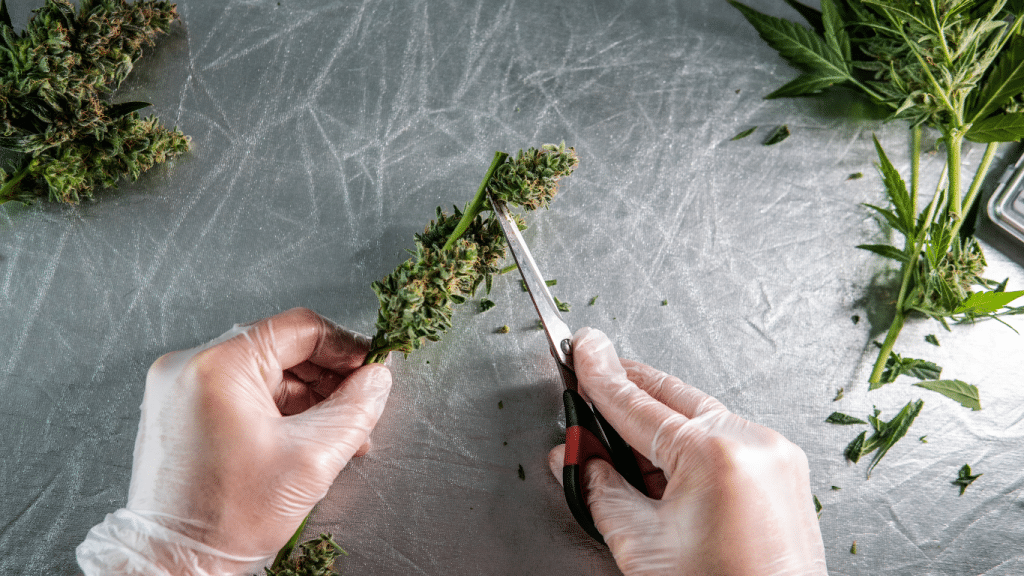
Wet trimming means removing most of the leaves (fan leaves and sugar leaves) immediately after harvest, while the plant is still fresh and full of moisture. Buds are then dried either on a rack or a line in a controlled space.
Why Growers Choose Wet Trim:
- Great for small or humid spaces: Less plant mass means less moisture during drying.
- Helps prevent mold: Especially important if you’re in a damp or unpredictable climate.
- Faster drying: Less plant material means moisture leaves the buds more quickly.
Considerations:
- You’ll need more time and energy on harvest day.
- Drying too fast can lead to harsh smoke or lost terpenes, keep your space cool, dark, and humid enough (around 60°F and 55–60% RH).
What Is Dry Trim?
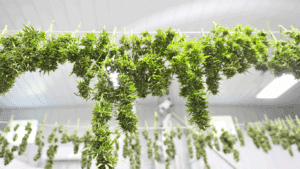
Dry trimming involves hanging your full plants or large branches with leaves still on, then trimming once buds have dried. This method slows the drying process and can lead to smoother flavor and better preservation of essential oils.
Why Growers Choose Dry Trim:
- Gentler drying process: Leaves act as a natural barrier, helping buds dry more slowly and evenly.
- Better terpene retention: Ideal if you’re focused on flavor and aroma.
- Less sticky work: Trimming dry buds is tidier for many people.
Considerations:
- You’ll need space to hang whole plants or branches with room for air to circulate.
- Moisture takes longer to leave the plant, so good airflow and close monitoring are key.
What If You’re Somewhere In Between?
Not every plant, or every week, is the same. Many home growers take a hybrid approach:
- Wet trim and dry early harvests when mold risk is high or drying space is limited.
- Dry trim bigger harvests during stretches of clear, cool weather.
- Use top-down harvesting: cut and hang the mature tops, and let the lower sites ripen for a few more days.
The right method is the one that keeps your harvest clean, safe, and manageable.
What You’ll Need, No Matter the Method
No matter how you trim, a little preparation goes a long way. Here are the basics:
- Sharp shears and rubbing alcohol
- Gloves and clean work trays
- Plant tags or labels (note strain and harvest date)
- Drying area: cool, dark, ventilated with a thermometer and hygrometer
- Hanging lines, drying racks, or mesh trays
- Optional: A Cannatrol Cool Cure™ system if you want a consistent, low-risk, odor-sealed dry and cure in one
Choosing What Works for You
Ultimately, trimming is about working with your own space, goals, and budget, not fitting into someone else’s “perfect” setup. Every grower’s environment is different, and success comes from understanding what’s possible for you this round.
If your space is humid or your harvest window is tight, wet trimming can help you move quickly and keep moisture under control. If you have room to hang plants and a steady climate, dry trimming can help preserve more aroma and structure in your buds.
No matter which approach you choose, getting to harvest is already a huge achievement. Take pride in how far you’ve come. Each round teaches you more, and with every harvest, your process becomes smoother, your quality improves, and your results get better.