Getting Started, Growing Outdoors
When Should You Start Cannabis Seeds Outdoors?
10
Mar
Mar
As spring approaches, most outdoor growers start watching the same thing: the last frost date.
In many regions, that date serves as a useful marker for the start of the outdoor growing season. Once the risk of frost has passed and nighttime temperatures begin to stabilize, the garden starts to open up for planting.
For cannabis, however, frost dates are only part of the equation. The plant’s growth is influenced not just by temperature, but also by daylight patterns. That means the right time to start seeds outdoors depends on both your local climate and the type of cannabis you’re growing.
Start With Your Local Last Frost Date
A good starting point is to identify your region’s average last frost date. Gardeners have used this as a seasonal guideline for generations because it marks the point when tender plants can usually survive outdoors without the risk of freezing temperatures.
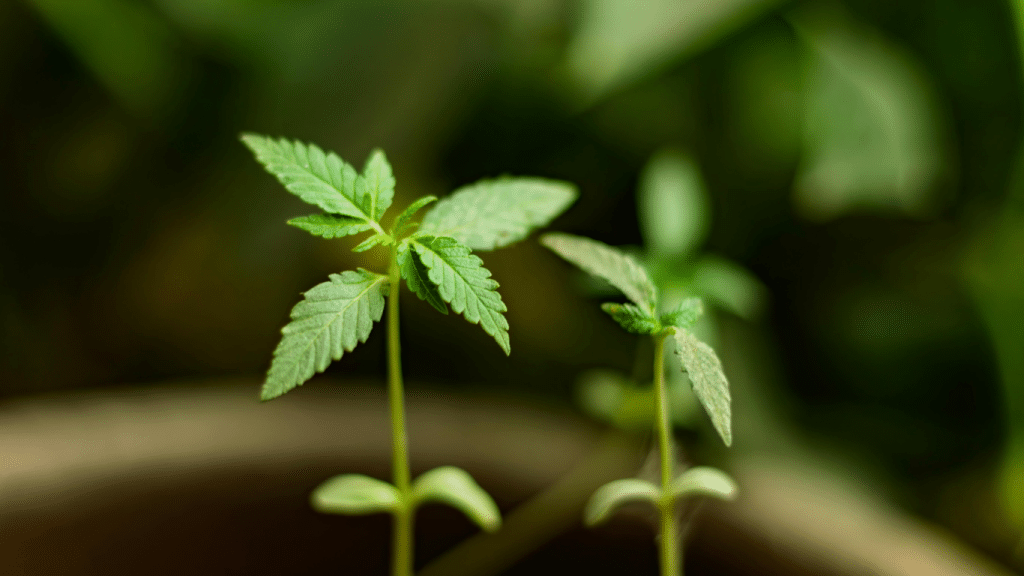
Cannabis seedlings are sensitive in their early stages, so waiting until frost risk has passed helps protect young plants from cold stress. Even a brief frost can damage or kill a seedling before it has a chance to establish itself.
Once frost danger has passed and overnight temperatures are consistently mild, many growers feel comfortable planting outdoors or moving seedlings outside.
But frost safety doesn’t automatically mean ideal conditions for every type of cannabis.
Photoperiod Plants and Daylight Hours
Photoperiod cannabis relies on changes in daylight length to control its life cycle.
During the vegetative stage, plants grow best under long days. Indoors, growers typically provide plants with around 18 hours of light and 6 hours of darkness to maintain vegetative growth.
When it’s time to flower, the schedule shifts to 12 hours of light and 12 hours of darkness, which signals the plant to begin producing flowers.
Outdoors, the sun controls that transition naturally.
Spring and early summer provide the long daylight hours that support vegetative growth. As the season progresses and days begin to shorten, plants transition into flowering later in the year.
Because photoperiod plants respond so strongly to daylight patterns, some growers choose not to start them directly outdoors too early in the season, even once frost risk has passed.
Early spring light conditions can still fluctuate, and while temperatures may be improving, the days are still stretching toward their summer peak. During this period, young plants often grow slowly while waiting for more consistent light.
One way growers work around this is by starting photoperiod seeds indoors under an 18-hour light cycle, then moving the plants outside once temperatures and daylight hours are reliably supportive. By the time they reach the garden, they already have a strong root system and can immediately take advantage of the long summer days.
It’s also worth remembering that cannabis grows quickly once conditions are right. If you prefer to start seeds outdoors, planting in mid to late May in many temperate climates still gives plants plenty of time to establish and produce robust vegetative growth as early summer arrives. Once daylight hours are long and the soil has warmed, plants tend to accelerate naturally.
Autoflowers Follow a Different Schedule
Autoflower cannabis behaves differently because it does not rely on changing daylight hours to begin flowering.
This trait comes from cannabis ruderalis, a subspecies native to regions like Siberia and parts of Central Asia where summers are short and unpredictable. Instead of waiting for shorter days, these plants evolved to flower based on age so they could complete their life cycle quickly.
Modern autoflowers retain this timing trait.
Rather than responding to daylight changes, they typically begin flowering two to four weeks after sprouting, regardless of the light schedule around them.
For outdoor growers, this allows for more flexibility. Autoflowers can be started once temperatures are warm enough, and many growers run multiple outdoor cycles because the plants are not tied to the seasonal shift toward fall.
While they still benefit from strong sunlight, autos don’t depend on day length to complete their life cycle.
Climate Still Sets the Pace
Outdoor growing conditions vary widely depending on location, so the exact timing will always depend on your local environment.
In cooler regions with shorter seasons, growers often rely on the last frost date and daylight patterns together to decide when to begin.
Photoperiod plants may benefit from an indoor start, while autoflowers offer more flexibility later in the season.
In warmer climates with longer growing windows, outdoor planting can begin earlier and continue longer.
The key is understanding how the plant responds to both temperature and light.
The Takeaway
Your local last frost date is a reliable starting point for planning the outdoor cannabis season. Once frost risk has passed and nighttime temperatures stabilize, the garden is generally safe for young plants.
From there, the type of cannabis you’re growing helps determine the best strategy.
Photoperiod plants rely on daylight patterns and may benefit from an early indoor start before moving outside.
Autoflowers operate on their own internal timeline and allow growers more flexibility once warm conditions arrive.
When frost timing, daylight, and plant type are all taken into account together, the outdoor season tends to unfold much more smoothly.
