
Getting Started
Why Every Grower Should Have a Seed Collection (And How to Store It)
14
Oct
Oct
You don’t have to be growing year-round to keep seeds on hand.
In fact, one of the smartest things you can do as a home grower is to build a small collection of seeds you’re excited to grow, even if you don’t have plans for all of them right away.
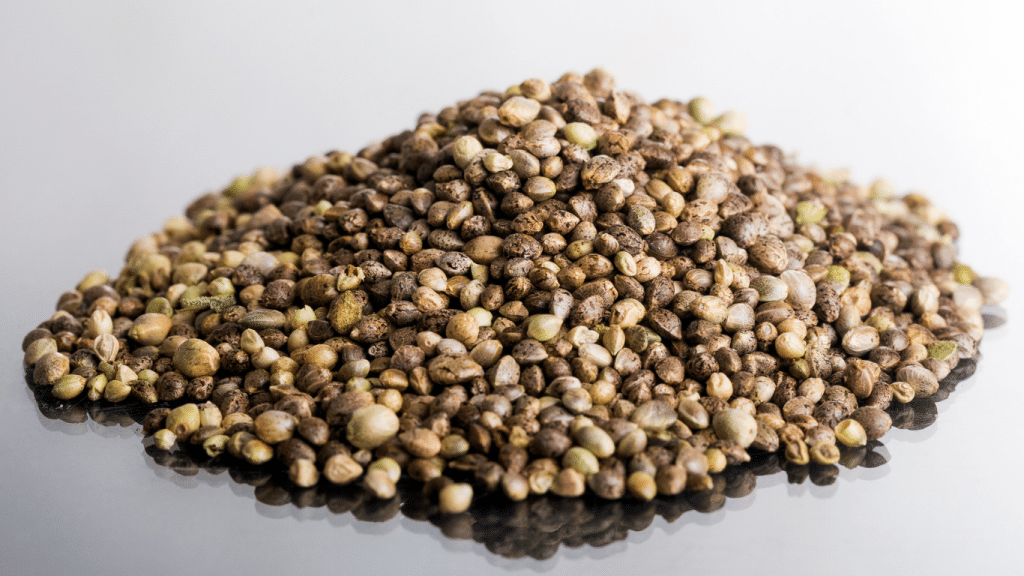
Seeds are easy to store, take up almost no space, and, when stored properly, can remain viable for years. Having a collection also means that when it’s time to start your next grow, you already have options waiting for you.
Why keep seeds on hand?
Think of your seed collection a little like your garden seed box.
You probably don’t buy tomato, pepper, herb, or flower seeds only on the exact day you plan to plant them. You pick up varieties you love, save extras from one season to the next, and keep seeds around for future gardens.
You can approach cannabis seeds the same way.
Keeping a collection lets you plan future grows around what you already have. You might keep a few dependable favorites, something you’ve been wanting to try, an autoflower for a quick grow, or a special variety you don’t want to count on finding again later.
It can be especially worthwhile to pick up limited releases or genetics you know you love when you find them. Seed availability changes over time, and there’s no guarantee that a particular variety will still be available when you decide you want to grow it.
With the uncertainty around federal hemp rules and December 11, there’s another reason some growers may be thinking ahead right now. We’re following those developments closely, but regardless of what happens in Washington, keeping seeds for future grows has always made good sense.
How long do cannabis seeds last?
It’s completely reasonable to buy seeds now that you may not grow for several years. Cannabis seeds can stay viable for a long time, and how quickly that viability declines has a lot to do with how they’re stored.
Much like a growing plant, a seed responds to the conditions around it. During storage, the goal is to preserve the seed, not encourage growth. Higher temperatures can speed up deterioration over time, while too much moisture can damage the seed, encourage mold, or begin the germination process before you’re ready to plant.
For a collection you plan to keep, choose a cool, dark, dry location where the temperature and humidity stay fairly consistent. Limiting exposure to heat, moisture, and light helps preserve the seed and its ability to germinate when you’re ready to grow it.
The easiest way to store your seeds
For most home growers, seed storage doesn’t need to be complicated.
If you expect to grow your seeds within the next few years, a cool, dark cabinet, closet, or drawer works well. Keep them in their original packaging or another airtight container, away from heat, direct sunlight, and areas where humidity changes frequently.
Stored this way, seeds can remain viable for years. If you’re building a collection, keep your varieties clearly labeled and consider adding the year you purchased them. A small desiccant packet inside your storage container can also help control excess moisture.
Should you keep cannabis seeds in the refrigerator?
If you want to preserve seeds for longer-term storage, the refrigerator may be the better option. The cooler temperature can slow the processes that cause seeds to deteriorate over time, helping preserve viability for seeds you may not plan to grow for several years.
Keep them in an airtight container, preferably with a small desiccant packet, and store them toward the back of the refrigerator where the temperature stays more consistent.
When you’re ready to use refrigerated seeds, leave the container sealed until it returns to room temperature. This reduces the chance of condensation forming on the seeds.
What about freezing seeds?
For most home growers, freezing isn’t necessary.
Seeds can be preserved at very low temperatures, but successful long-term freezing requires careful control of moisture and temperature. Simply putting seeds in a household freezer can expose them to condensation and repeated temperature changes.
For a collection you plan to grow over the coming years, a cool, dark cabinet or refrigerator is a much simpler option.
Build your own seed collection
You don’t need a huge stash. Start with seeds you know you want to grow.
Maybe that’s a favorite you want to keep around, something you’ve been curious about, a few autos for shorter grows, or a limited release you’d hate to go looking for a year from now only to find it’s gone.
That’s really the point of keeping a collection. You can buy seeds when you find something you want, store them properly, and decide when you’re ready to grow them.
Before you do plant them, always check the home cultivation laws where you live.
